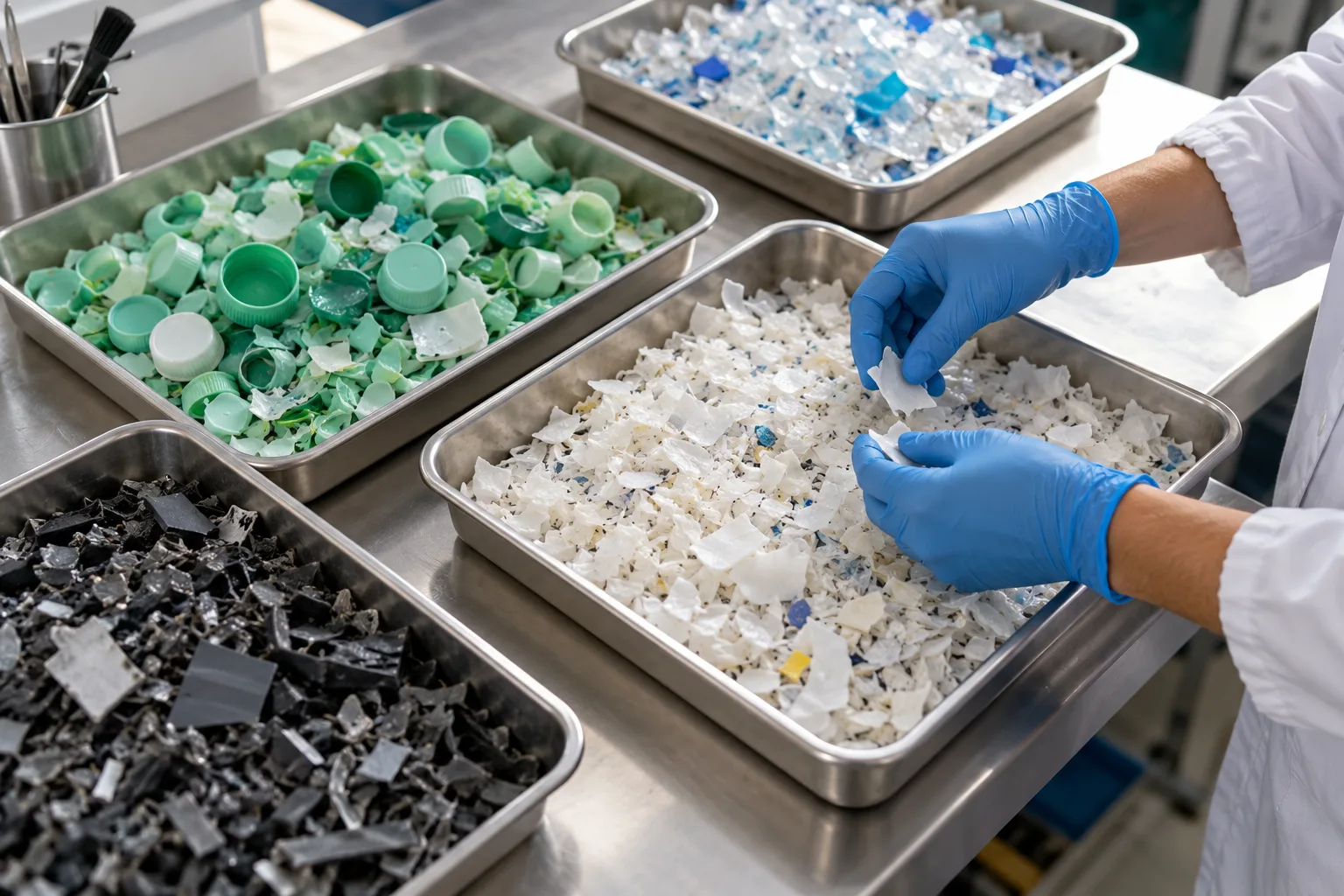
01 Sort the inputs
Check sources and resin types, then remove labels, contaminants and incompatible plastics. Aluminum is handled separately from the plastic recovery line.
- Checks
- Source batch, resin identification, contamination
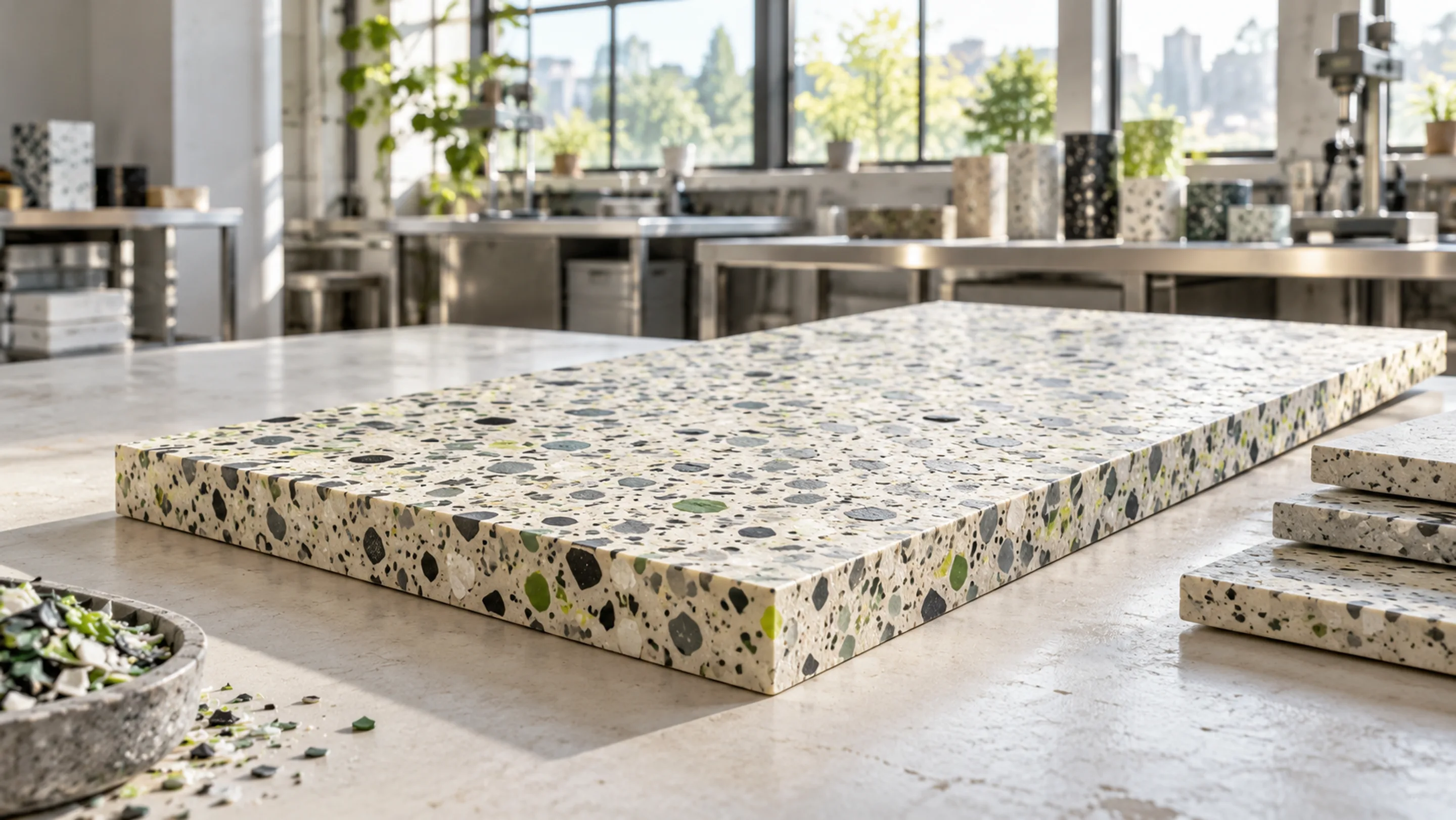
Post-consumer plastics, production offcuts and recycled aluminum, sorted and processed into panels for furniture, displays and interior surfaces.
The brand, imagery, specifications and batch records are illustrative concepts, not a statement of supply or certification.
Adjust the inputs to see how fragments change the panel. Use this bench to discuss color, grain and application. Strength, heat resistance and fabrication require physical testing.
Visual simulation, not a physical color reference.
Recycled: 100%Matte
The formulations, visuals, specifications and lead times in this section are illustrative, not validated production formulations. Plastic blends assume no added binder; metal blends assume 12% virgin binder.
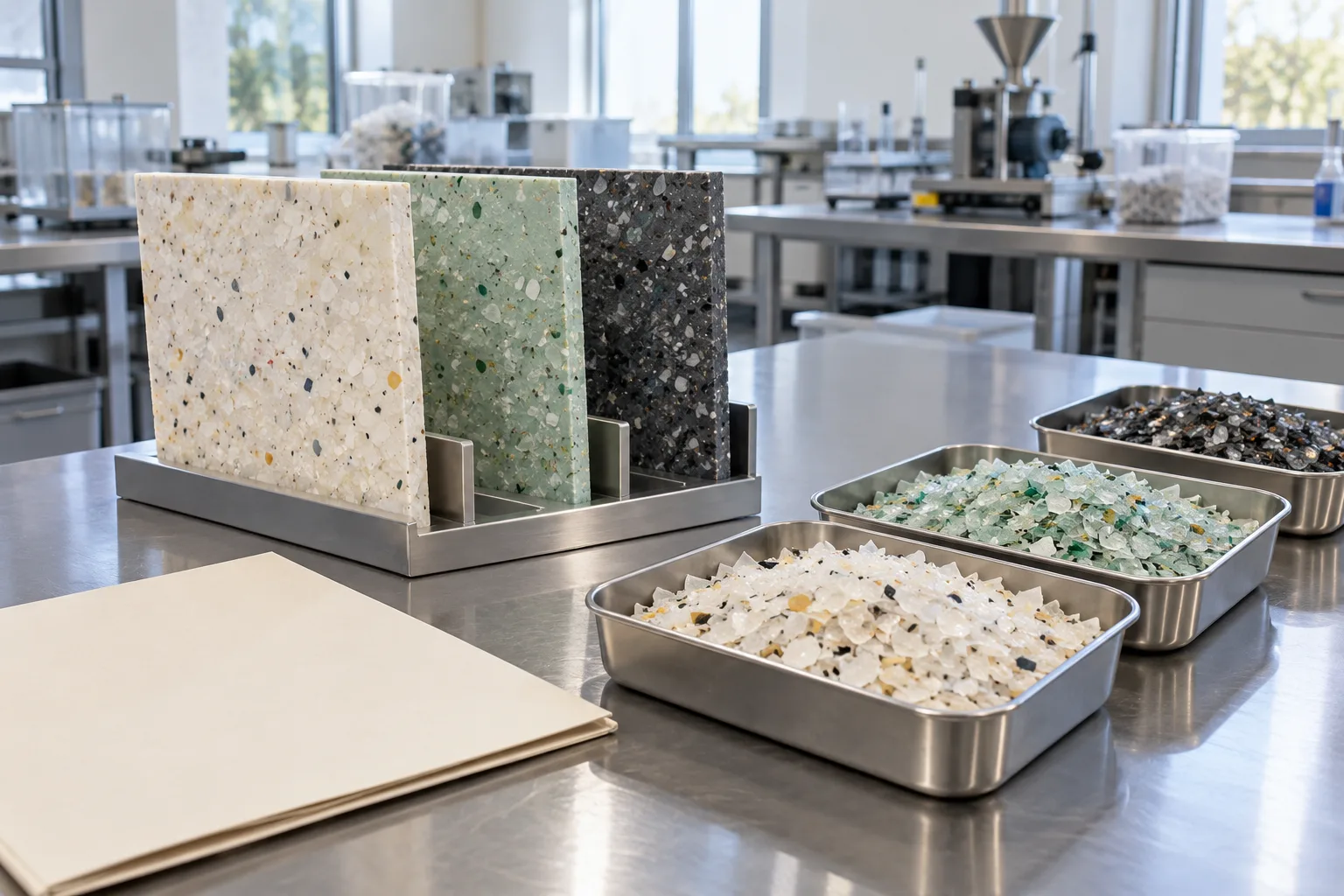
Keeping feedstock and processing conditions traceable helps explain each panel. The stages and checks below are illustrative.
Check sources and resin types, then remove labels, contaminants and incompatible plastics. Aluminum is handled separately from the plastic recovery line.
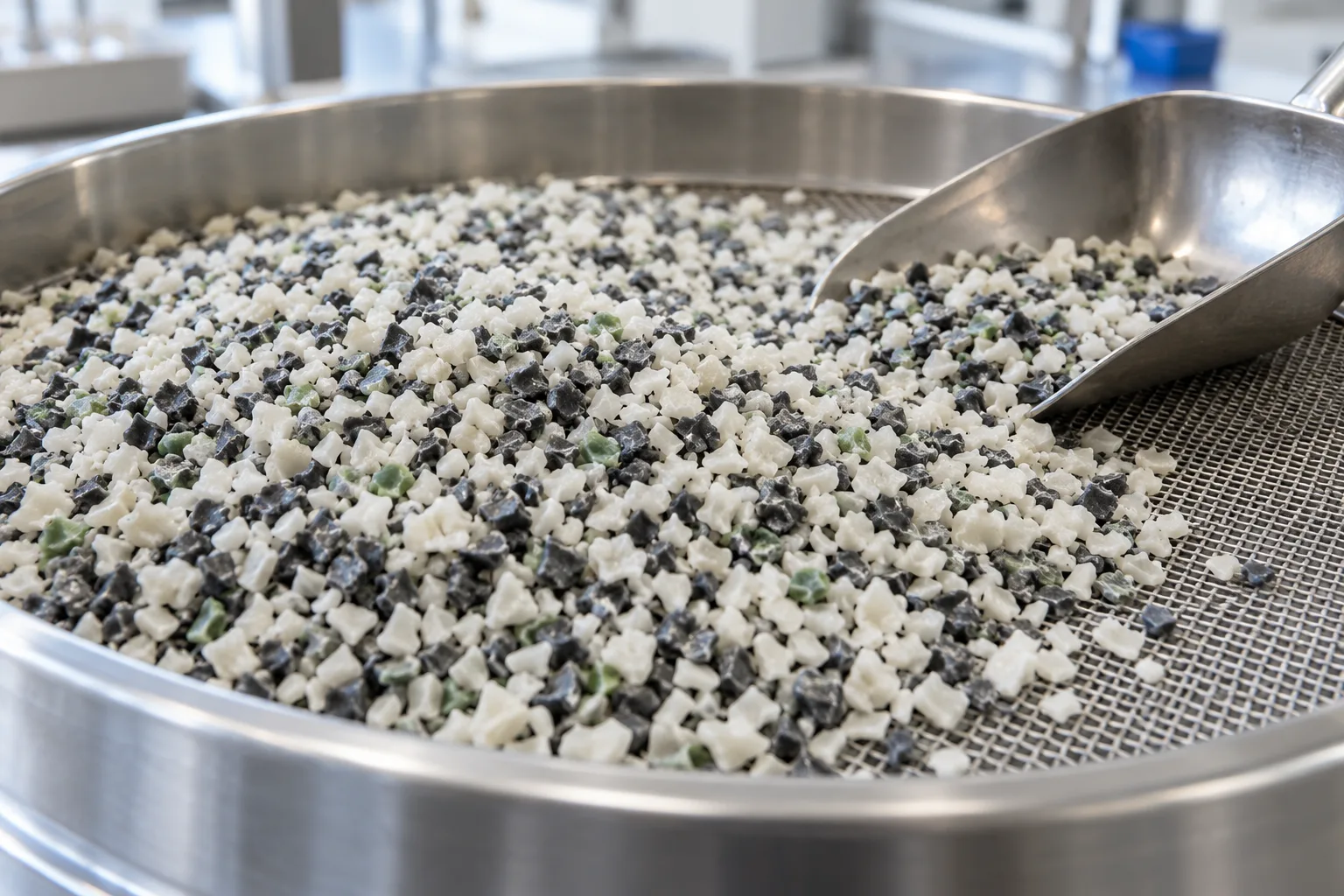
After cleaning and drying, shred and sieve the material into grain sizes. Retain samples to check fines and moisture before forming.
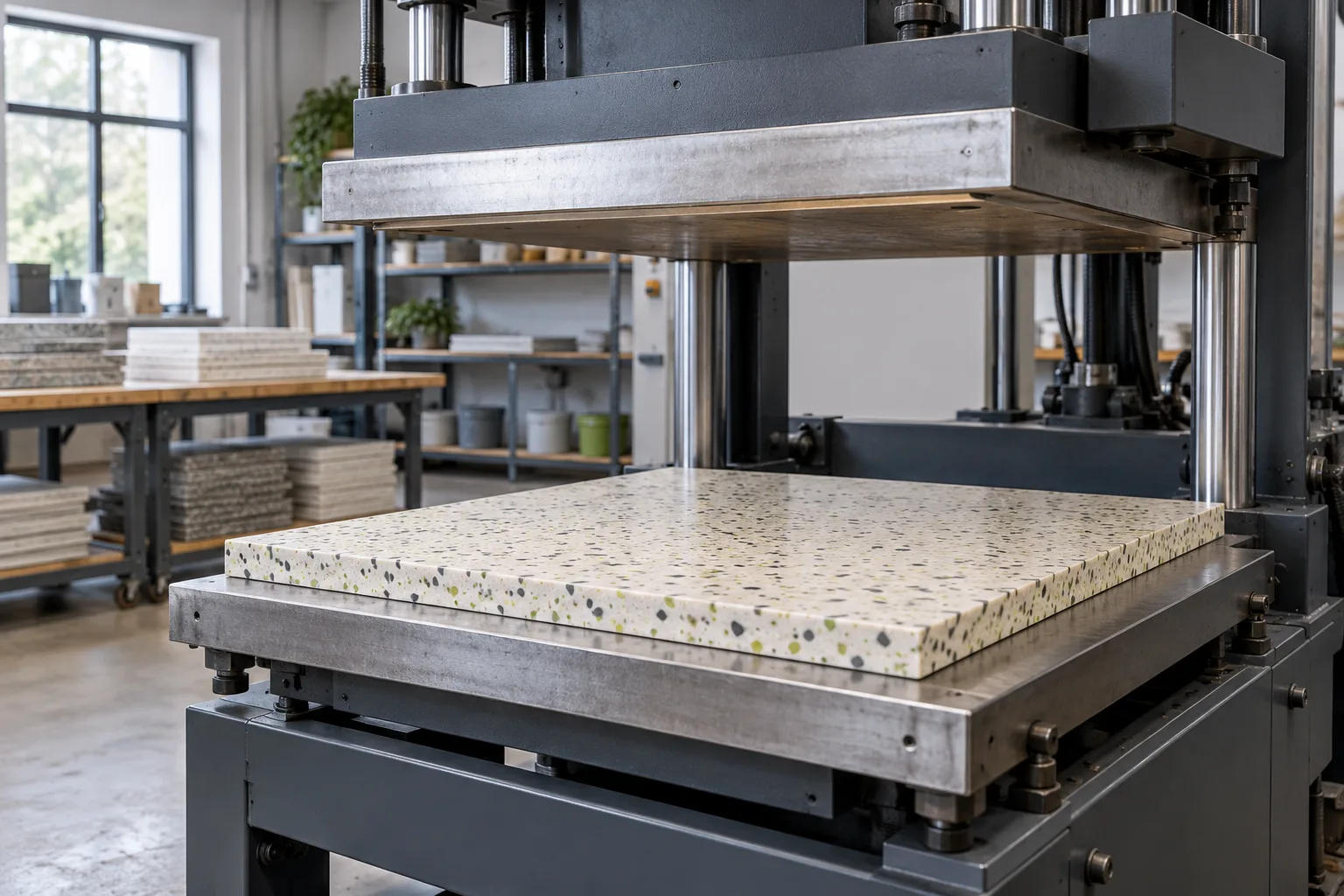
Weigh and mix each formulation, recording pressing and cooling conditions. Trial different resins separately and evaluate metal composites for their binder system.
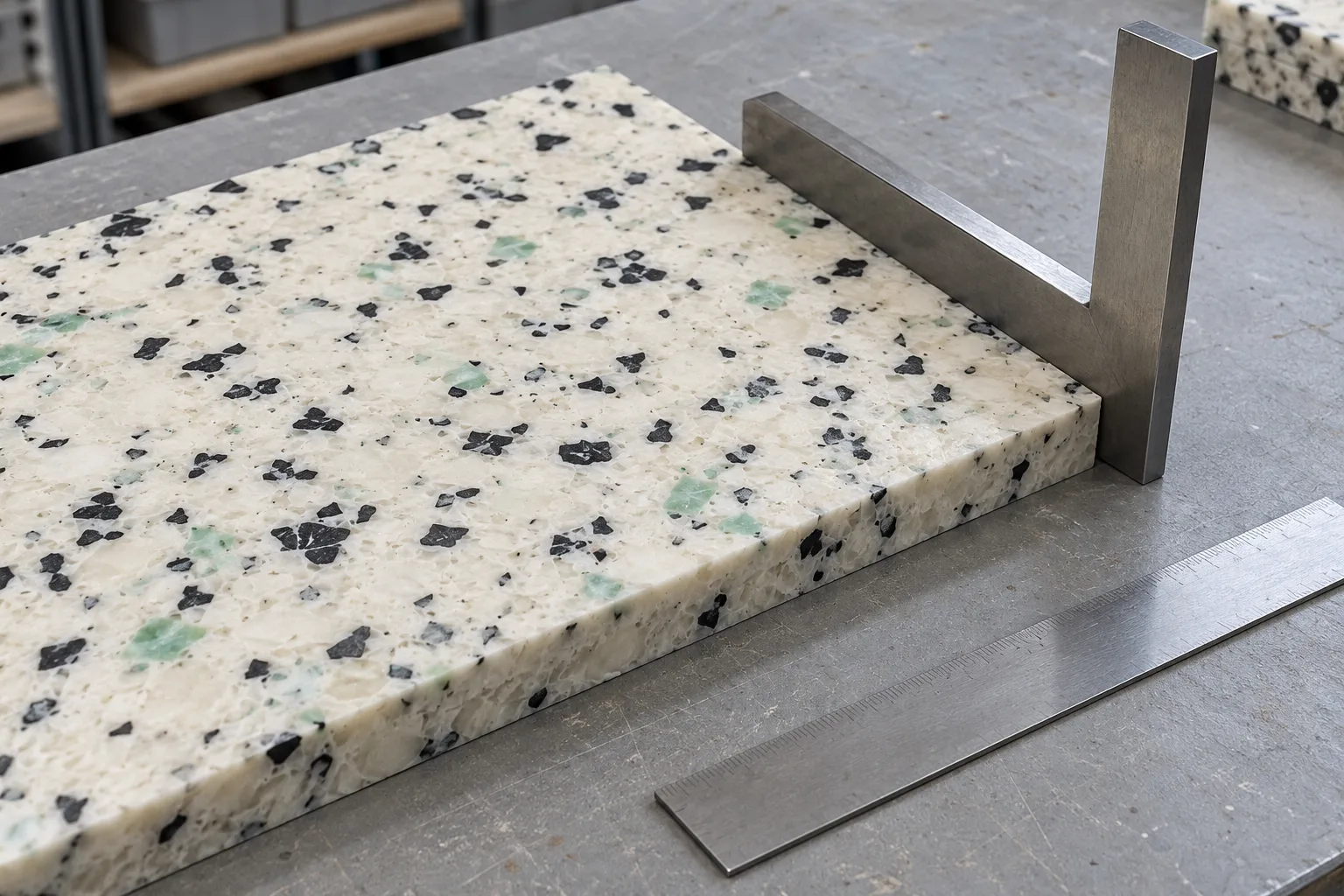
Cut to size and inspect thickness, edges and flatness. Confirm fabrication on small samples first. Fire and structural requirements need project-specific testing.
Add samples to compare texture, sheen and fabrication details. The materials, dimensions and recycled content in this section are illustrative.
Sample size: 120 × 120 mm, 8–12 mm thick
White packaging with fine dark offcut fragments. A matte surface for display tables and furniture.
100% recycled contentLarger green fragments from recovered bottle caps, with irregular edges and translucent detail.
100% recycled contentDark production offcuts with pale fragments. A low-sheen surface suited to display shelving.
100% recycled contentReprocessed recycled aluminum with a brushed, fine-grained surface for reception and display elements.
95% recycled content
Chalk panels on removable steel legs. Separating the surface from its frame makes replacement and reuse easier.
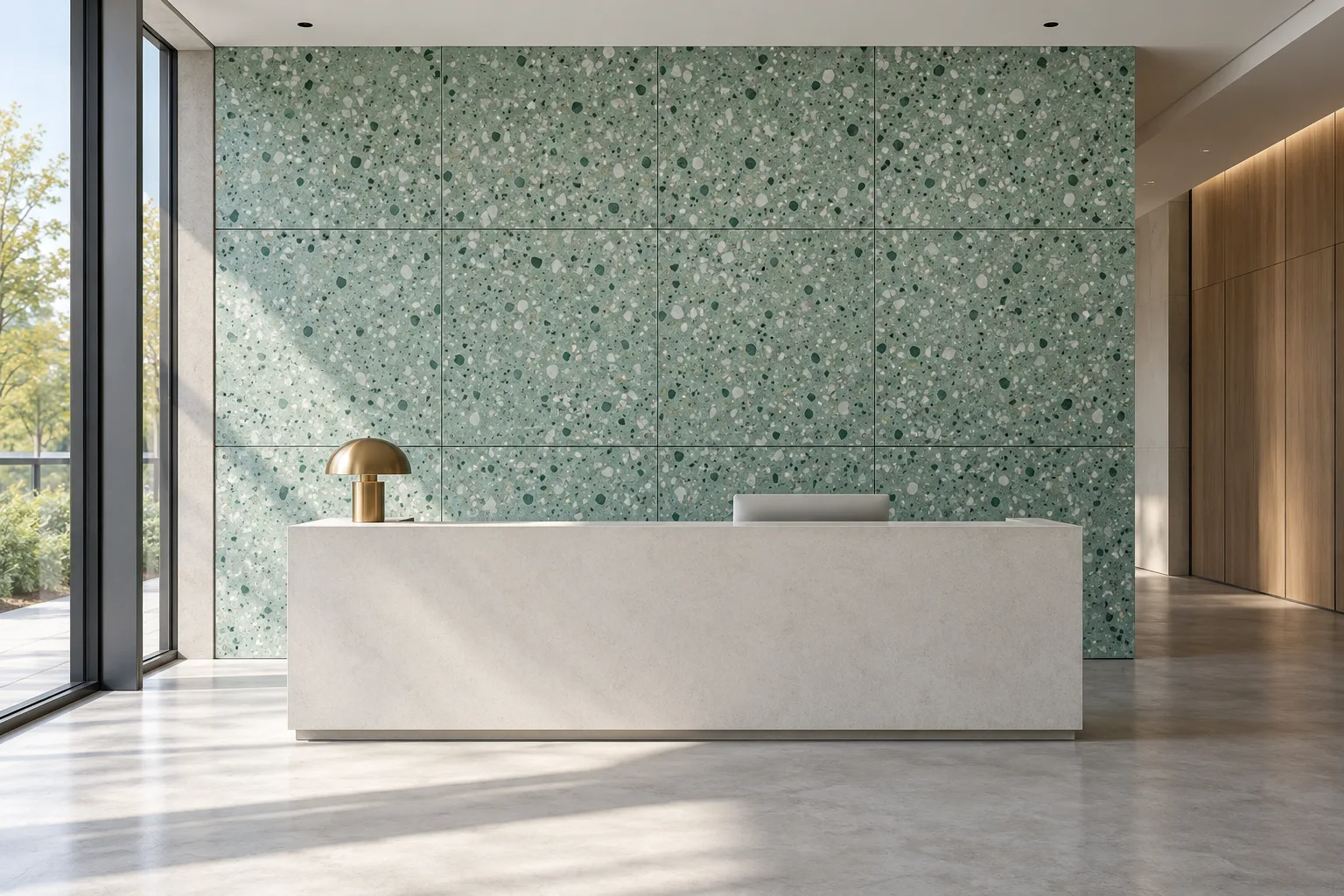
Modular Tidal panels. Resolve joints, edge details and mounting before setting the full wall layout.

Carbon shelves on metal uprights with spacing matched to the display. Load capacity must be tested for the intended span.
Choose a batch or enter the batch ID from a sample card to view sources, manufacturing dates and inspection records.
Batch HC-2610-01 loaded.
| Inspection | Result |
|---|
This demonstrates a traceability record. No third-party certification, carbon footprint or performance guarantee is claimed.
Check the batch ID on the sample card, or choose one of these illustrative records.
Choose materials and tell us how you plan to use them. Lab details and dispatch times in this section are illustrative; the form creates an on-page summary only.
Material testing studio, Taiwan
Monday–Friday, 10:00–17:00
Visits by appointment. Include a preferred time in your notes.
Samples dispatch around 3–5 working days after selection.
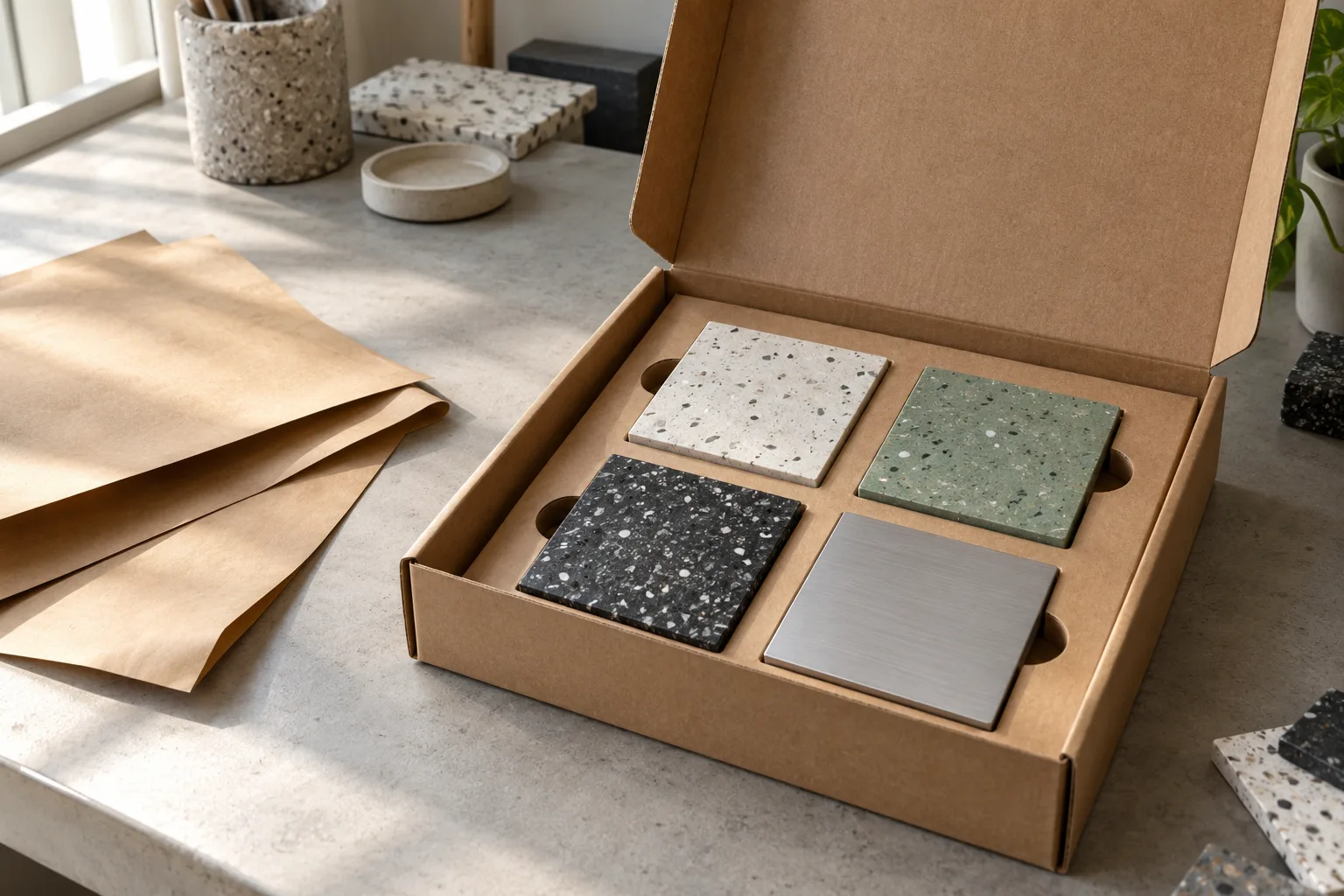
This is an on-page demonstration. No details were sent and no shipment has been arranged.