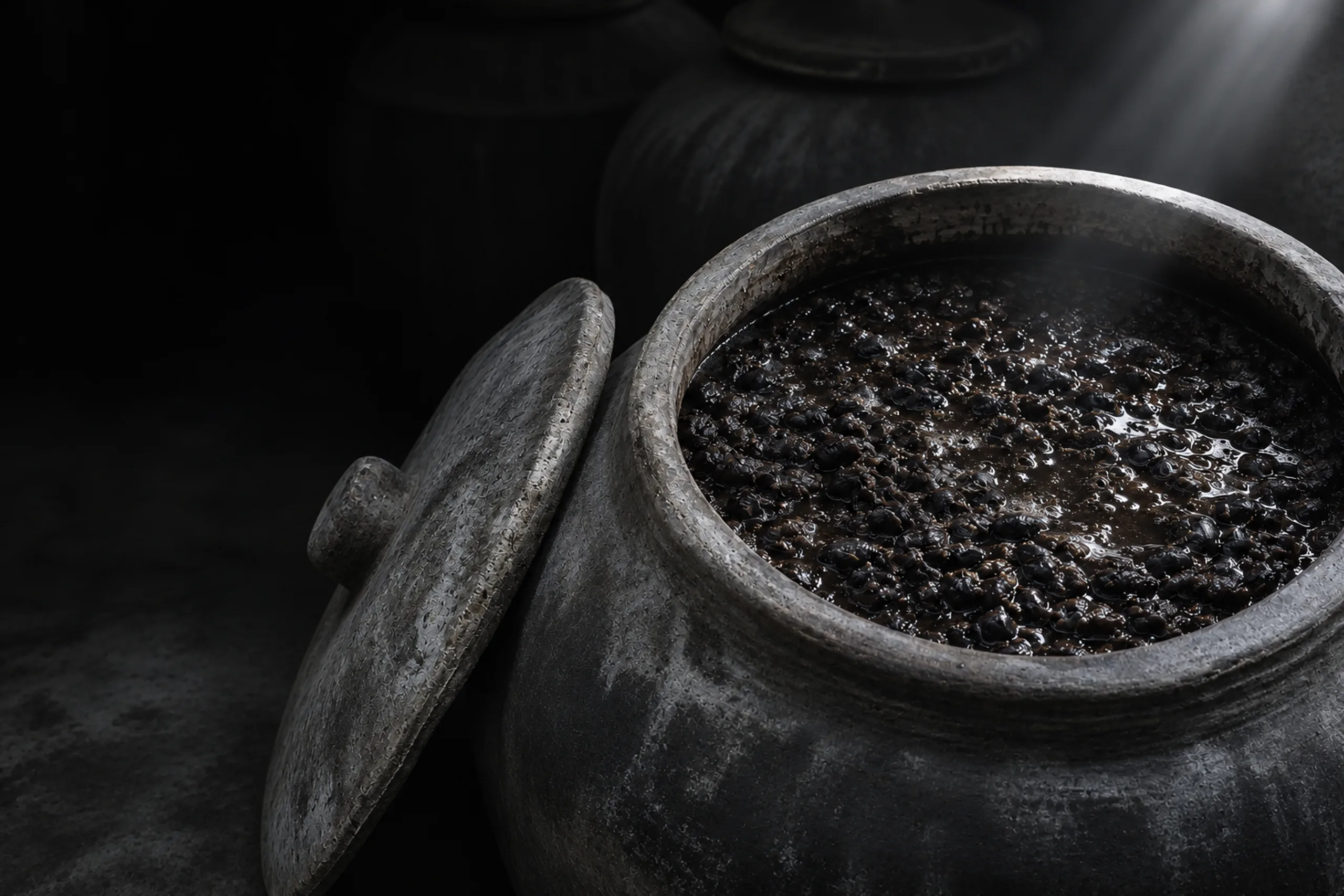
An open ceramic jar with its lid leaning to the left, faint daylight illuminating the moist black soybean mash

Xiluo, Yunlin · Ceramic jars aged for twelve months (illustrative)

Open the jar

Reserve Black Soy Sauce

Lift the lid and catch the aroma of black soybeans.
A full-bodied sauce for braises and slow-cooked dishes.

Read the tasting notes

Aged flavors

Three flavors from the jar

Smell, taste, then think of a dish. We note each batch’s aroma, savory depth and lingering sweetness, choosing a sauce that brings out the ingredients.

Batch numbers, sealing and opening dates, aging periods and tasting notes below are illustrative. The three examples are arranged from lighter to darker sauce tones.

Opening batch (illustrative)

012

Sealed (example)
2025.01.18
Opened (example)
2026.01.18
Aging (example)
365days

Sun-aged Clear Soy Sauce

Light, with a sweet finish

Aroma
Gentle black soybean notes with a little sweetness from rice koji. The fermented aroma stays in the background.
Taste
A lighter savory taste and a lingering sweet finish. Its clear, delicate texture leaves room for the ingredients.
Cooking
For dipping, dressing and steaming. Try it with tofu, sliced pork or steamed fish. Start with a teaspoon and adjust to the dish.
Make a simple salad

Opening batch (illustrative)

018

Sealed (example)
2025.02.08
Opened (example)
2026.02.08
Aging (example)
365days

Reserve Black Soy Sauce

Deep and rounded

Aroma
Roasted soybean notes and a gentle fermented aroma, with a deeper aged character as you bring it closer.
Taste
A full savory opening gives way to black soybean sweetness. It has more body than the clear soy sauce.
Cooking
For braising and slow cooking. Try dried tofu, winter melon or a meat stew. Add a little first, then adjust to the ingredients and liquid in the pot.

Opening batch (illustrative)

026

Sealed (example)
2025.03.15
Opened (example)
2026.03.15
Aging (example)
365days

Aged Rice Koji Miso

Mellow grain sweetness

Aroma
Sweet rice koji aromas arrive first, followed by cooked soybeans and rounded fermented notes.
Taste
Fine soybean and rice koji grains give it a substantial texture. A savory taste is followed by gentle grain sweetness.
Cooking
For soups, marinades and roasting. Dissolve it in a little broth before adding to soup, or spread a thin layer on fish or vegetables.

Choosing our ingredients

Meet this batch of soybeans

Flavor starts with the ingredients. We work with small growers in Yunlin and Chiayi for seasonal black soybeans and rice. Each batch records its grower, origin and harvest year, keeping track of the differences between seasons.

An illustrative field record

Origin
Xiluo, Yunlin
Grower ID (example)
YL-06
Variety (example)
Taiwanese green-kernel black soybeans
Harvest month (example)
12
Contract rice origin
Chiayi
See the fermentation process
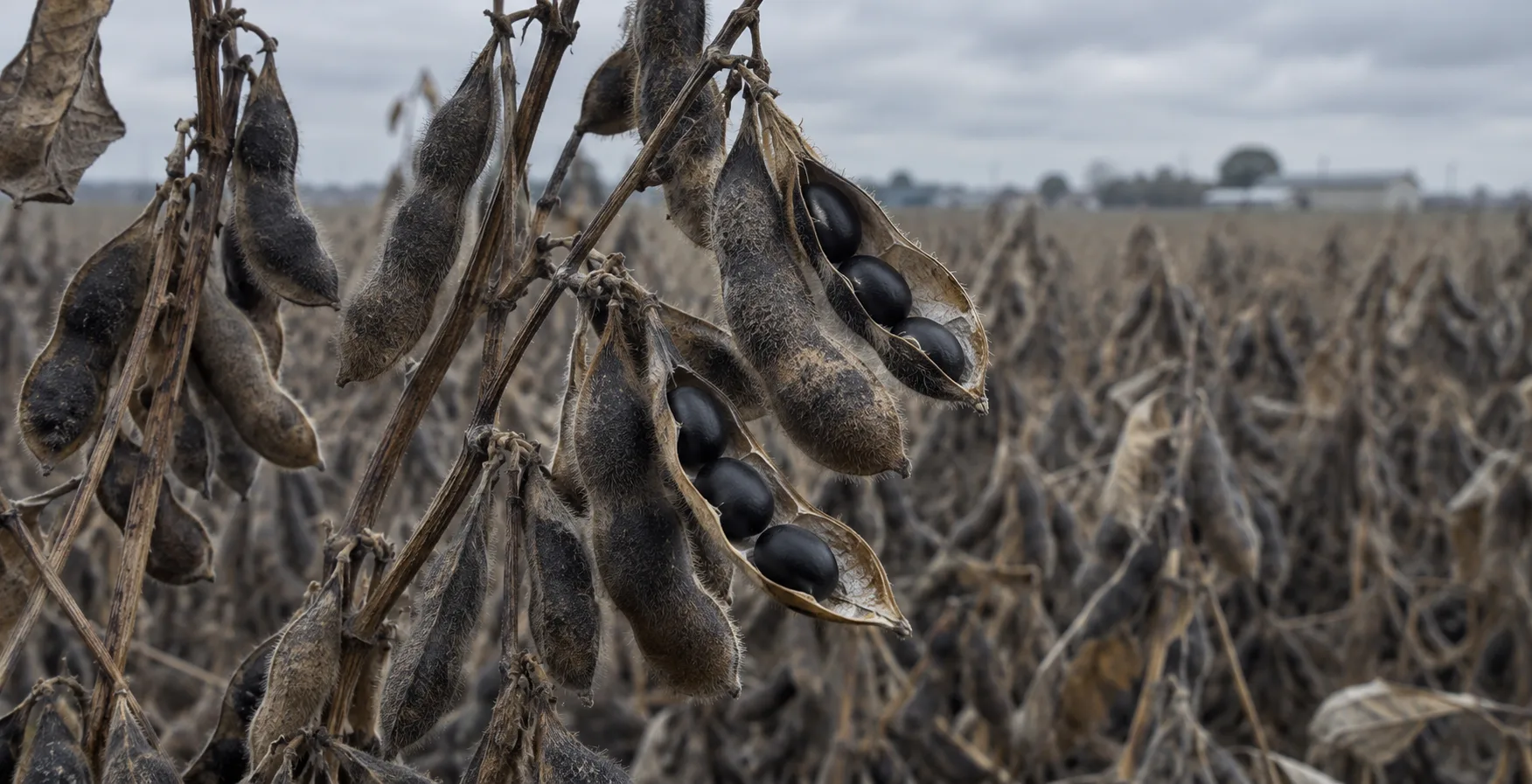
Mature soybean pods at harvest, with black soybeans visible inside an open pod
Harvested when the pods dry, with their origin recorded before fermentation.

Our approach to fermentation

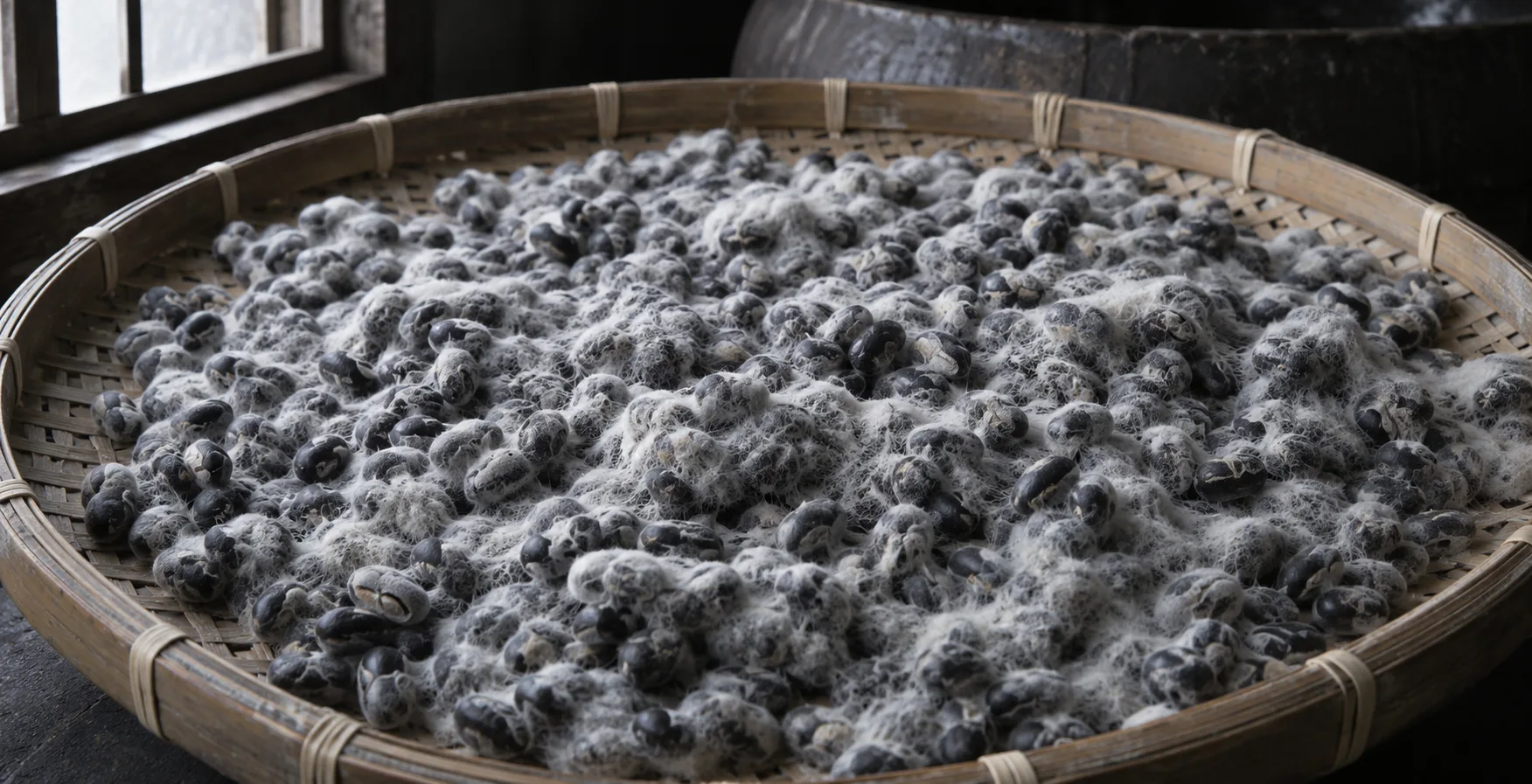
Koji grows on bamboo sieves

First, create the right conditions for fermentation. Then wait. Temperature, humidity, sunlight and air shape the aroma of each jar.

Fine white koji growing on black soybeans in a woven bamboo sieve

Start with seasonal ingredients

Taiwanese black soybeans, contract-grown rice and natural sea salt, with clear origins and the subtle flavors of each season.

Give the koji room to breathe

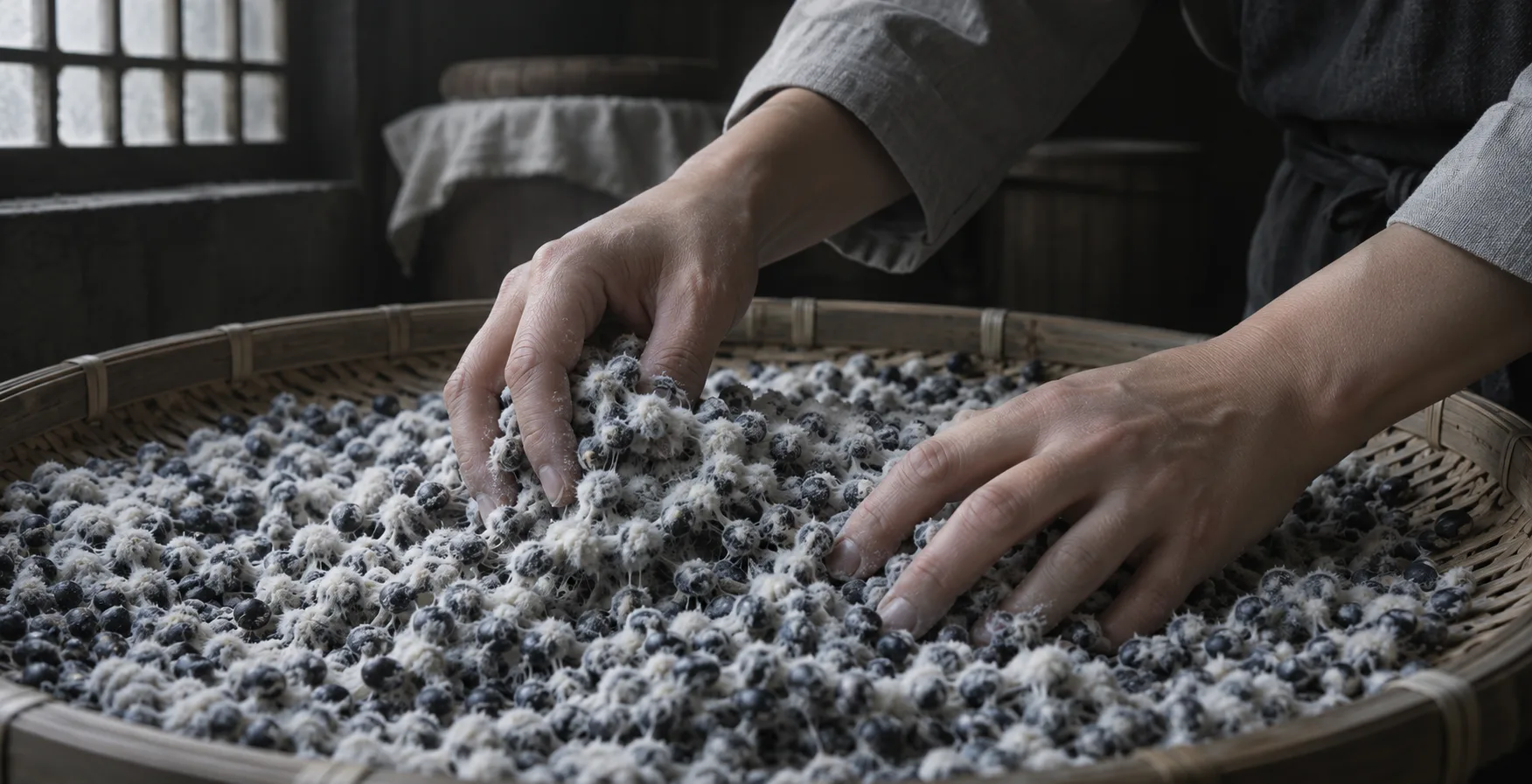
Brewers tend the koji for forty-eight hours, turning it according to temperature and humidity so heat disperses and the koji grows evenly.

48hours of tending (illustrative)

Leave time for aging

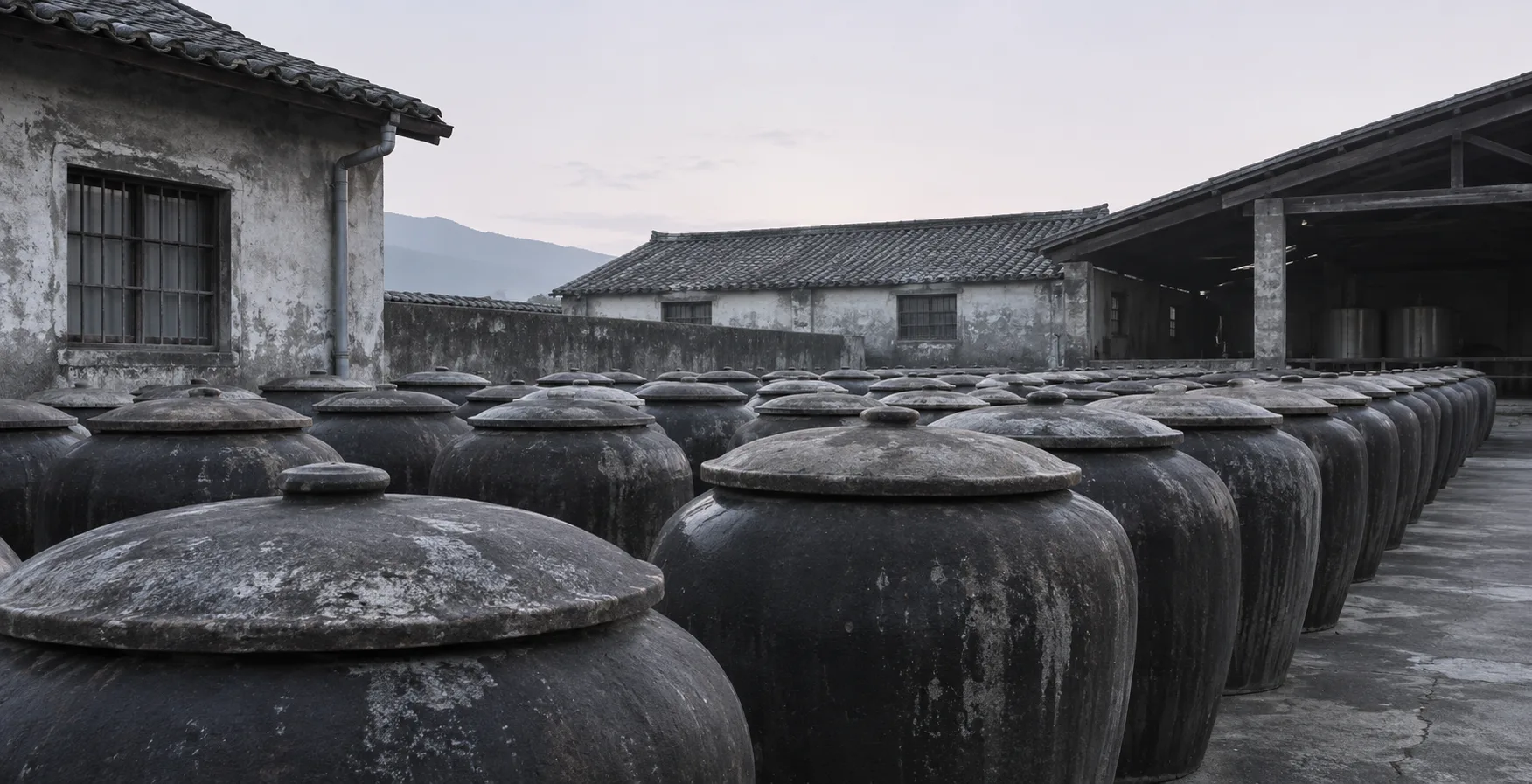
Sun-aged in ceramic jars for at least twelve months, without caramel coloring, artificial flavorings or chemical preservatives.

12months or more (illustrative)

Three generations at the jars

The first jar is still here

In 1968, the first generation built a fermentation shed in Yunlin, starting with one ceramic jar and a few sacks of black soybeans. Knowledge of the seasons passed from hand to hand. Today, modern testing accompanies the same slow aging methods.

Rows of dark ceramic fermentation jars with their lids in a quiet yard at dawn
1968

The first ceramic jar begins fermenting
Founding year and jar numbers are illustrative

Jar 1 · The first generation

A shed, a harvest and a sealed jar. The first vessel marks the beginning of more than half a century of fermentation.

Jar 18 · The second generation

Turning koji by touch and smell, and noting the weather and aromas each time a jar is opened.

Jar 26 · The third generation

Recording ingredient origins, batches and test results while keeping the ceramic jars and sun-aging methods.

From beans to a jar of sauce

Four stages in a jar record

From receiving beans to soaking, steaming, growing koji and sealing the jar, each record shows where a batch begins. There is no secret formula; every stage needs patient attention.

Illustrative jar record

Reserve Black Soy Sauce · Batch 018

Harvest seasonal black soybeans

Select full Taiwanese black soybeans and record the origin, grower and harvest year.

Bean origin
Xiluo, Yunlin
Grower ID (example)
YL-06

Wash, soak and steam

Adjust soaking time to the moisture content, then steam evenly to retain the soybeans’ sweetness and body.

Soaking adjusted to
Bean moisture content
Cooking method
Even steaming

Grow koji with regular tending

Experienced brewers feel the koji by hand and turn it regularly, developing a clean, delicate savory flavor.

Tending time (example)
48hours
Turning adjusted to
Temperature and humidity

Sun-age in ceramic jars

Across four seasons of warm days and cooler nights, the sauce naturally darkens and its bright aromas gradually become rounded.

Sun-aging time (example)
12months or more
Sealing date (example)
2025.02.08
A brewer’s hands turning black soybean koji on a bamboo sieve
Turning the koji by hand helps the soybeans release heat evenly.
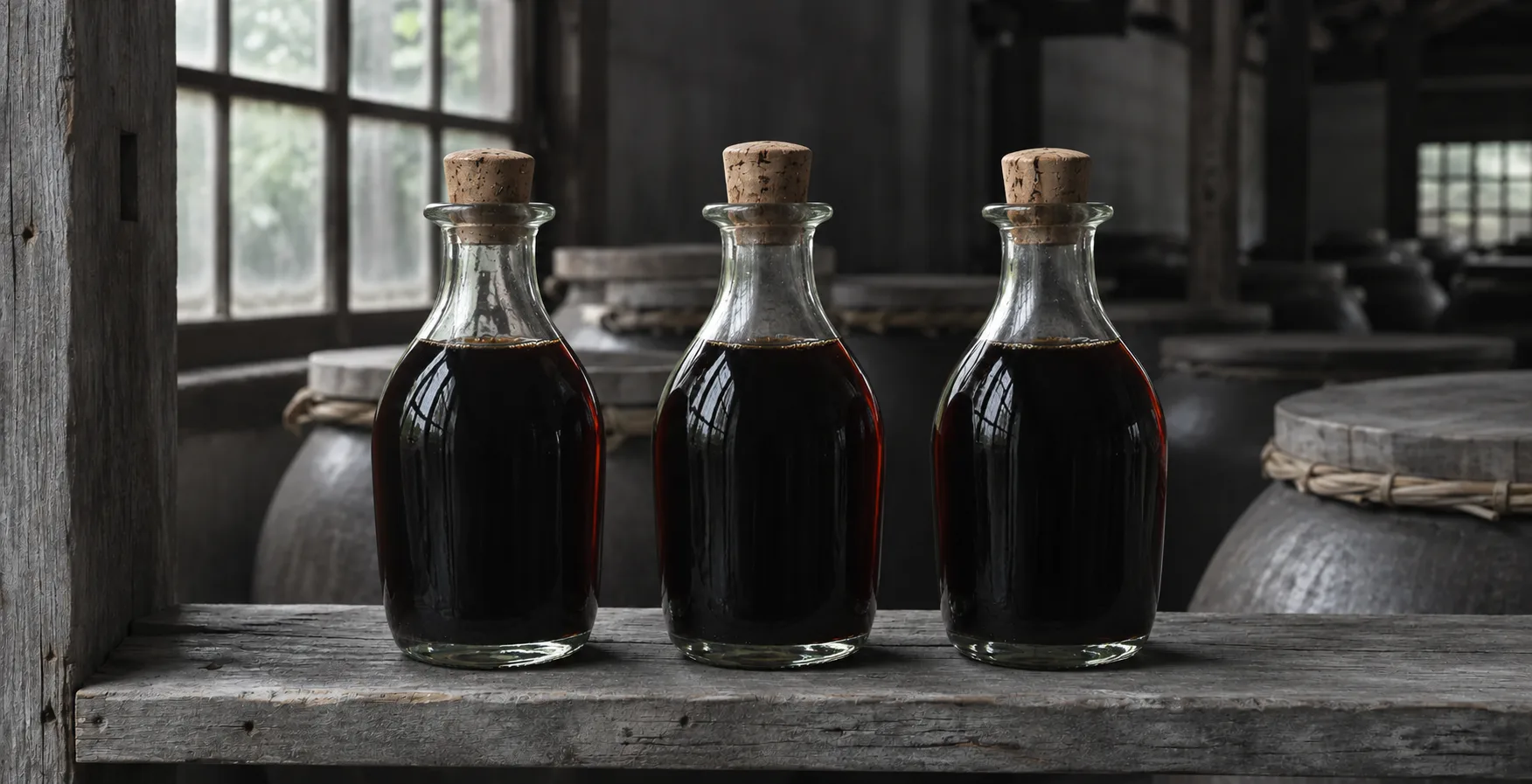
Unlabeled glass soy sauce bottles on a wooden shelf, with faint light passing through the sauce
Check the color, smell and taste when a jar opens, then record the batch.

A note from the brewer

“We put our best soybeans in the jar and take care of the conditions. The rest belongs to sunlight, seasonal winds and time.”

Lin Shunhai · Second-generation brewer at Shanhai (fictional character)

Fermentary open day

Visit the fermentation yard

Join a brewer to explore black soybeans, rice koji and natural fermentation. See the koji on the bamboo sieves and mix a small jar of miso to take home.

Find Shanhai Fermentary

An illustrative open day

When
The second Saturday of each month
Group size (example)
8people
What to expect
A jar-yard tour, an ingredient introduction and miso mixing
To take home
A small jar of miso you have mixed yourself

Illustrative event. Registration and booking are not available.

Recipes and fermentation notes

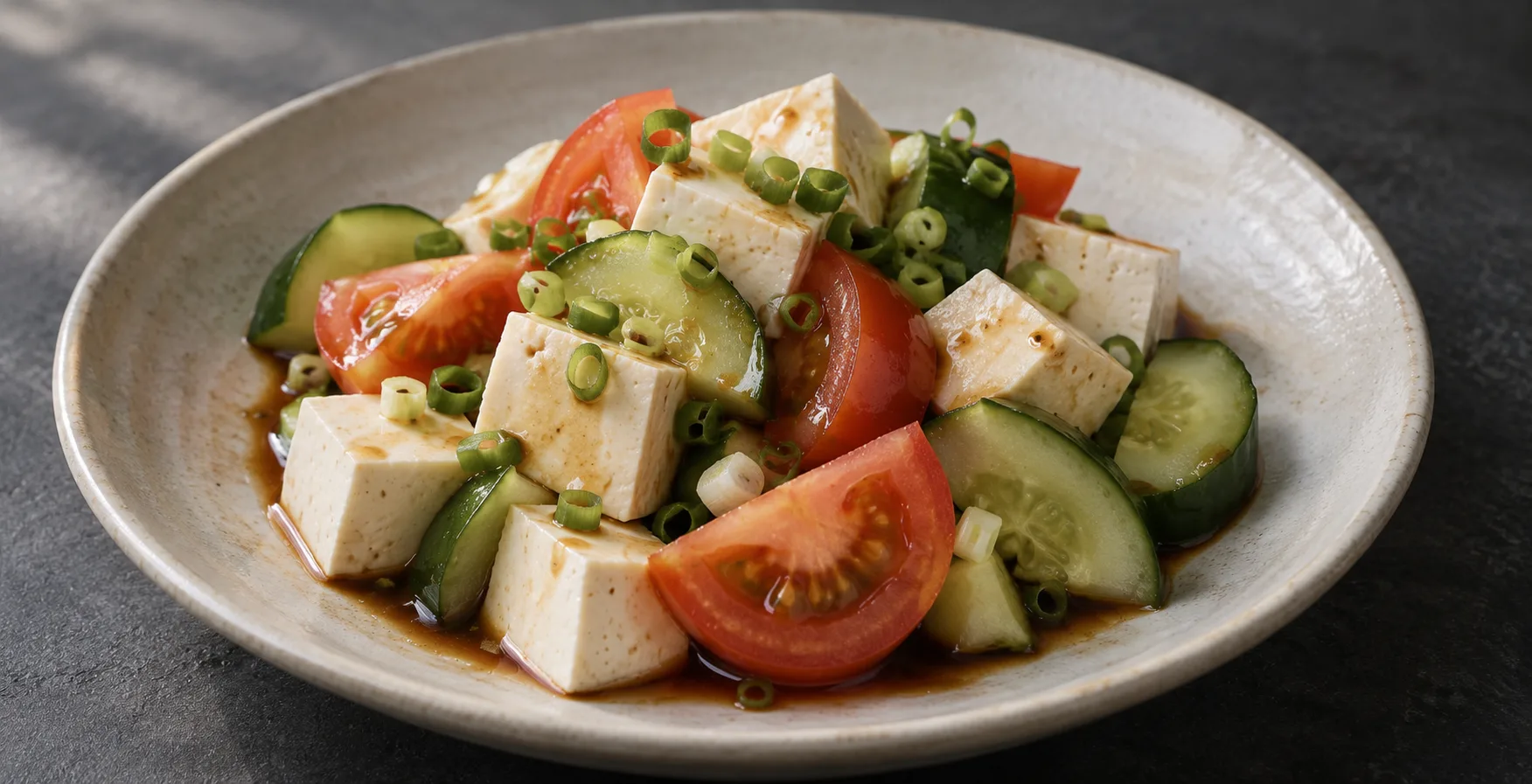
Tofu, cucumber and tomato salad with a little soy sauce in an off-white ceramic dish

Seasonal recipe

A three-ingredient summer salad

Let the soy sauce’s sweet finish bring out the vegetables. Toss cucumber, tofu and tomato with a spoonful of clear soy sauce, rice vinegar and a little sesame oil.

Illustrative recipe. Adjust the seasoning to your ingredients.

From the fermentary notebook · All dates and entries are illustrative

Jar-opening news

An autumn jar opening
Taste the year’s first reserve black soy sauce

Fermentation notes

How white koji turns soybeans into savory flavor

Meet the growers

Follow the black soybeans back to Yunlin

中文