
Main navigation

CXDIGI

Web design · Content strategy · Frontend development

Corporate Website Services / Website planning

Corporate Website Design & Development

We organize your services and products into a clear website journey, so visitors understand what you offer and know what to do next.

01From website content to a clear information path

Start with information

Three decisions that shape the website

We first identify what visitors need to understand, then define page hierarchy and contact paths. This gives design and development a clear basis and makes deliverables easier to define.

  1. 01

    Review services and products

    Review the company's services, products, audiences and existing content to decide what to keep, complete or reorganize.

  2. 02

    Plan the visitor journey

    Organize page hierarchy and navigation around visitors' questions, so important information is easy to find.

  3. 03

    Define the visual direction and next step

    Set the visual direction, desktop and mobile layouts, and clear contact options around the brand and content.

Project scope

Define deliverables around your needs

Every project differs in page count, functionality and content readiness. We confirm each item before work begins and document the agreed scope in the proposal and contract.

  1. 01

    Content and information architecture

    Review company, product and service information, then plan pages, navigation and contact paths.

  2. 02

    Visual design and mobile layouts

    Use your brand materials to establish a visual direction and structure content for desktop and mobile.

  3. 03

    Frontend development and search foundations

    Build agreed pages and interactions, configure titles, descriptions, sitemap and relevant structured data, and check links and loading.

  4. 04

    Launch and handover

    Launch in the agreed environment, hand over agreed files and update instructions, and clarify domain, hosting and maintenance responsibilities.

See the approach through design concepts

Different information needs different paths

These self-initiated design concepts explain our approach. They do not represent client commissions or business results.

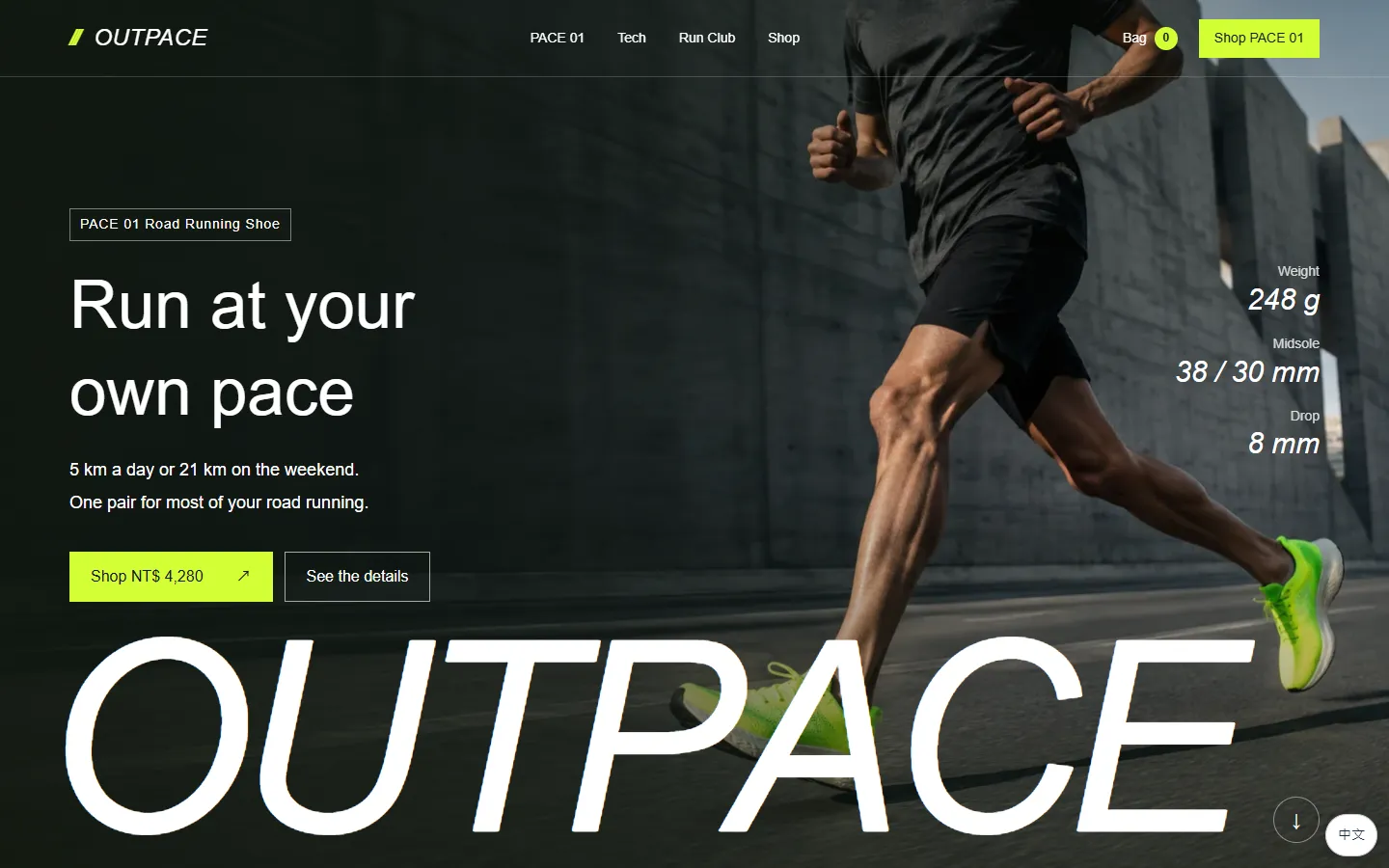
01 Showing sports product performance Design concept

Independent concept / 01

Showing sports product performance

The Outpace concept combines runner imagery, a scroll-driven shoe reveal and horizontal feature sections to make product capabilities easier to understand.

Explore this concept Opens in a new tab
02 Presenting interior design through space Design concept

Independent concept / 02

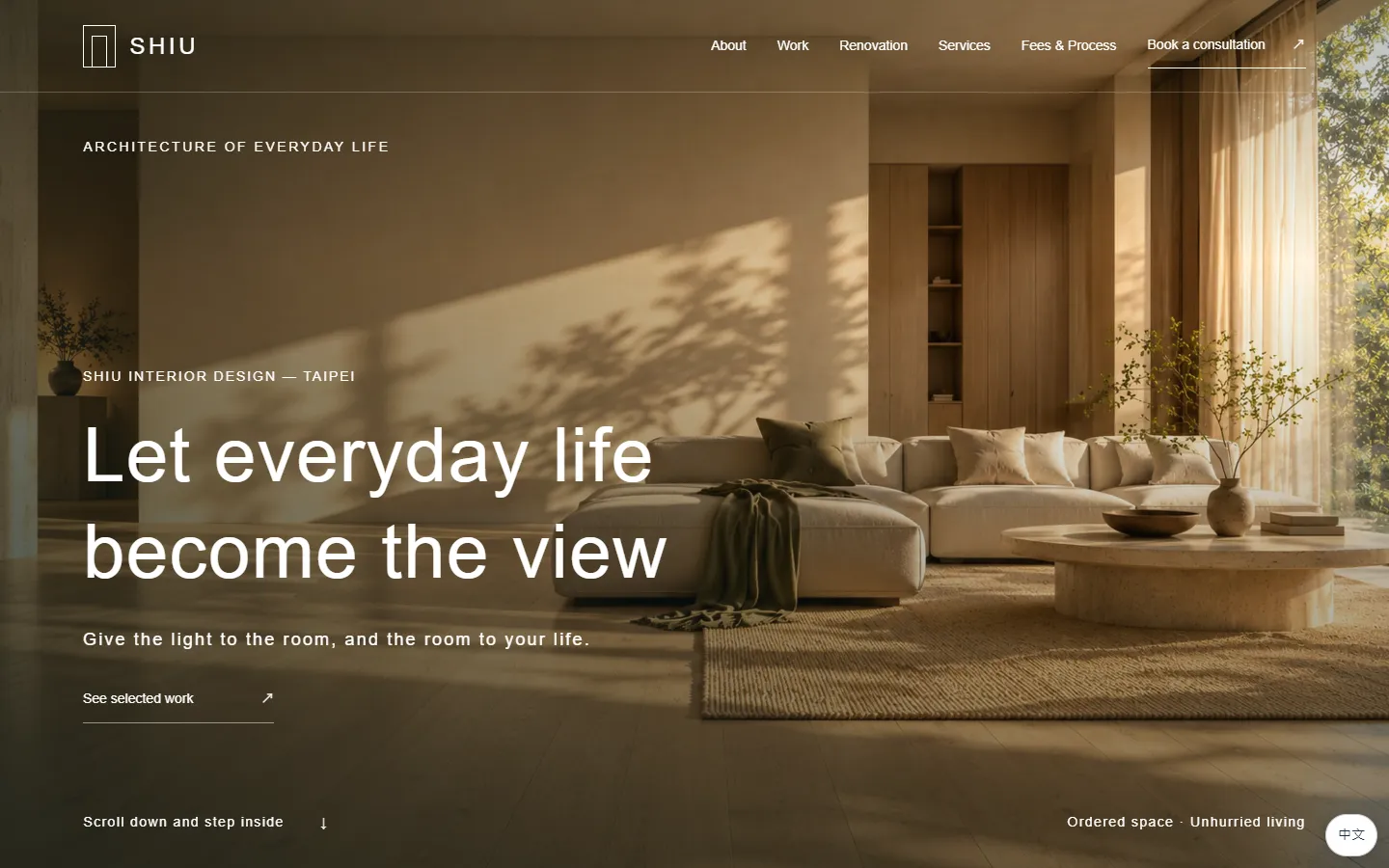
Presenting interior design through space

The Xujian concept pairs residential photography with material details and design notes to help visitors understand the studio's direction.

Explore this concept Opens in a new tab
03 Explaining corporate services Design concept

Independent concept / 03

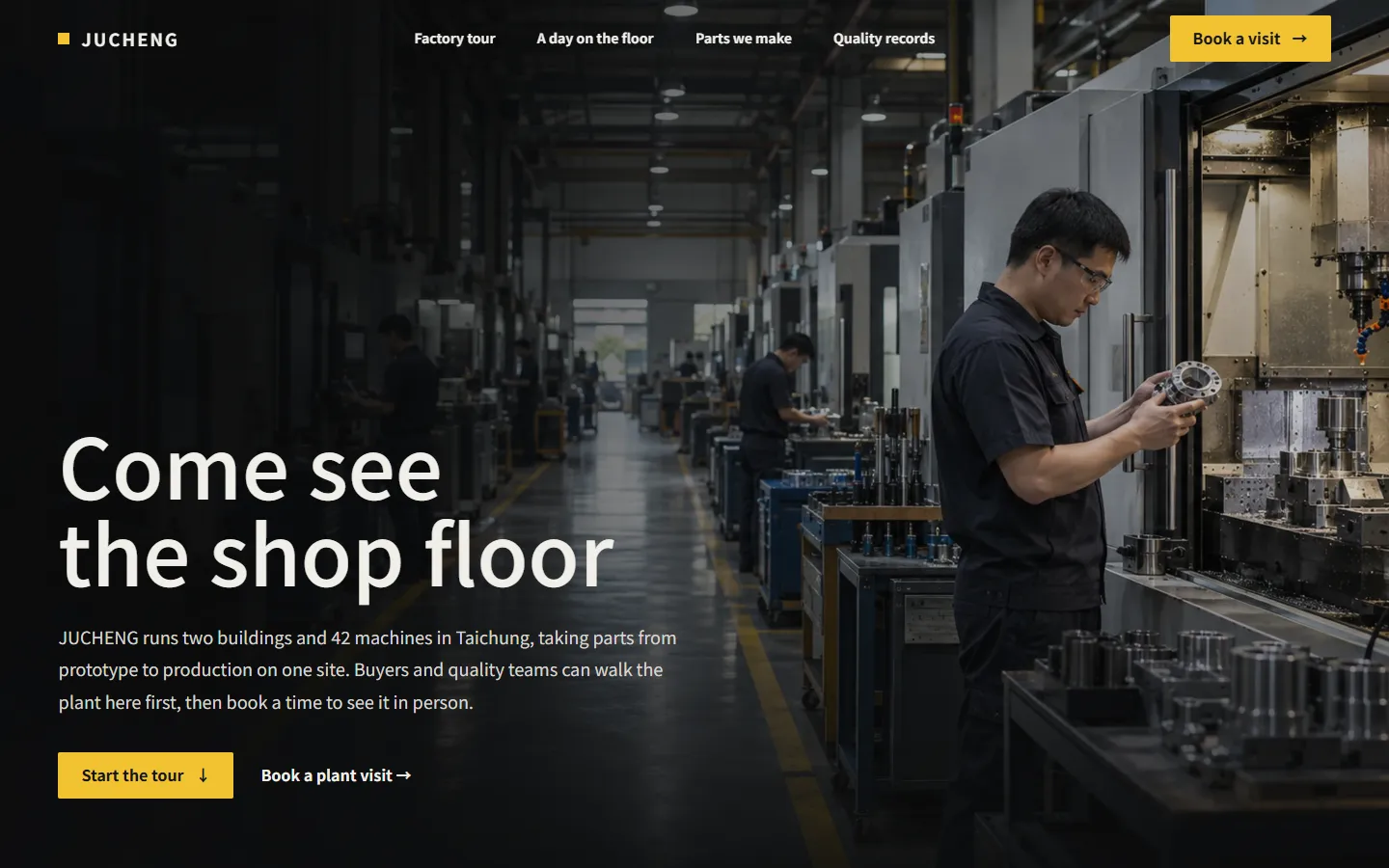
Explaining corporate services

The Jucheng concept shows how manufacturing services, delivery steps and quality information can be organized into a readable hierarchy.

Explore this concept Opens in a new tab

Working together

What we confirm at each stage

Each stage has a clear review point, so structure, visual direction and functionality are aligned before development.

  1. 01

    Review needs and materials

    Discuss goals, pages, features, available materials and target timing, then propose scope and pricing.

  2. 02

    Confirm structure and design

    Agree on structure and core content before reviewing visual direction and revision scope, so missing information surfaces early.

  3. 03

    Development and review

    Build from approved content and review mobile layouts, links and agreed features. Revision rounds, acceptance criteria and payment milestones are agreed before work begins.

  4. 04

    Handover and maintenance

    Confirm launch environment, file handover and update procedures. Later changes, maintenance duration and fees follow the agreement.

Pricing and preparation

Pricing follows the actual scope

Pricing depends on page count, content readiness, design needs, interactions, features and languages. Share your requirements and budget range so we can assess a suitable scope.

Client confidentiality

Permission before publication

Client names, website screenshots and project details are published only with client permission. Without permission, they are excluded from our portfolio and articles. Non-public materials shared during discussions are not used as public showcase content.

Before you begin

Corporate website questions

Can we start without finished copy

Yes. Share a company overview, product information or existing website content. We assess what can be reused, what is missing and whether separate copywriting is needed.

How long does a project take

Timing depends on page count, features and content readiness. A schedule follows the initial review and includes time for content feedback, design approval and acceptance.

Can we update the website ourselves

Update options depend on the architecture and whether a CMS is required. Tell us early if you need to edit products or articles so we can scope the CMS, handover and maintenance.

Who owns the domain and website files

Before work starts, the agreement specifies domain and hosting accounts, costs, file handover scope and third-party asset or service licensing limits.

Will you publish our company or website

We do not publish them without permission. Client names, screenshots and project details require prior consent, and confidentiality scope can be agreed before work starts.

Plan your corporate website

Tell us what your business offers

Share your main services, website goals and target launch date to give the first discussion a clear direction.

Discuss your corporate website

Start with your website

Make the first conversation count

Tell us how to reach you and about your project. We’ll reply by email.

If the form is unavailable, email us at [email protected]

We use your contact details to reply and assess your inquiry. Privacy Policy Opens in a new tab